





The Operating Room as a Classroom of Life
The operating room teaches us far more than anatomy, sutures, and technique. It teaches us discipline, humility and emotional truth. Every surgeon carries two sets of lessons through their career: The ones written in textbooks and the ones carved quietly into the heart. Some lessons come from victories. Some come from complications. Most come from the silent moments in between The pause before an incision, The breath before a critical decision, The stillness when the OT light falls on the table and everything else disappears. These are the lessons surgery teaches about life.
Lesson 1: Precision Begins with Clarity
In the OR, nothing good happens without clarity. A rushed mind shakes the hand. A distracted mind misses the detail. A cluttered mind disrupts the flow. Every great surgeon knows this: Clarity is the first step of every operation. We study the scans. We map the anatomy. We visualise the steps. We enter the OR with a quiet mind. And life is no different. The decisions that cost us the most are the ones made in confusion.
Clarity is not something we wait for, It is something we create. When the mind is clear, the path becomes clear.
Lesson 2: Slow Is Smooth, Smooth Is Fast
Early in training, speed feels like an achievement. With experience, you realise: It is not speed that saves time, it is smoothness. In the OR, slowing down is often the fastest way forward. A careful dissection prevents bleeding. A gentle hand avoids tissue trauma. A deliberate pace creates rhythm, and rhythm creates flow. Life also rewards rhythm, not haste.
The most meaningful growth in relationships, in mastery, in personal evolution comes from patient and continuous effort. The fastest outcomes are often the result of moving slowly with intention.
Lesson 3: Not Every Bleeder Needs Panic
Every surgeon remembers the first time they saw unexpected bleeding. The instinctive reaction is panic. But panic never stops a bleed, clarity does. Over the years, you learn:
-
- A bleed demands respect, not fear.
- Attention, not emotion.
- You hold pressure.
- You find the source.
- You take control.
And life mirrors this beautifully. Problems don’t require panic. They require presence. When emotions rise, precision falls. Calmness is a form of intelligence in surgery and in every difficult moment life offers.
Lesson 4: Teamwork Makes the Impossible Routine
The myth of the “heroic solo surgeon” dies early in real life. Every safe operation is a team effort. The anesthetist, the scrub nurse, the technician, the circulating staff. Each plays a role in the final outcome. A great surgeon leads, But also listens, collaborates, and respects.
In life too, we rise faster with support. Isolation slows us. Ego suffocates growth. Humility opens doors that skill alone cannot.
Lesson 5: Every Scar Has a Story
Surgical wounds heal, but they never disappear completely. Every scar tells a story of struggle, recovery, survival. Inside the OR, scars remind us of what the body has endured. Outside the OR, emotional scars remind us of what the heart has survived. Both types of scars teach the same lesson: Healing makes us whole, not flawless. Strength is not the absence of scars. Strength is what remains after the healing.
Lesson 6: The Most Dangerous Mistake Is the One You Don’t Notice
In surgery, catastrophe rarely comes from the obvious. It comes from the subtle – the small tissue tension, the unnoticed perforation, the quiet deviation from plan. Complications often begin silently. In life, the same is true.
Burnout doesn’t begin with exhaustion. It begins with neglect. Relationship cracks begin with silence, not arguments. Personal decline begins with one compromised habit. Awareness is survival. Attention is protection. The things we ignore are often the things that eventually shape us.
Lesson 7: You Can Fix Almost Anything - If You Recognise It Early
A leak caught early can be managed. A bleed recognised early can be controlled. A complication identified early can be reversed. This is one of the greatest surgical truths. Life mirrors this truth relentlessly.
-
-
- Address stress early → prevent burnout.
- Address conflict early → preserve relationships.
- Address unhappiness early → reclaim direction.
-
Most problems in life are fixable – If we stop pretending, they’re not there.
Lesson 8: Every Surgeon Must Master Letting Go
Some days in the OR end beautifully. Some end heavy. Some stay with you for weeks. But the deepest lesson surgery teaches is this:
-
-
- You cannot carry every outcome home.
- You can prepare perfectly.
- You can operate flawlessly.
- You can lead your team with precision.
-
And still, life will occasionally hand you a result you did not want. This is where surgery becomes philosophy. Letting go is not weakness. It is wisdom. It is protection. It is what allows a surgeon to come back tomorrow with the same steadiness and heart.
The OR Teaches Life, and Life Teaches the Surgeon
The OR is more than a workplace. It is a lifelong teacher.
-
- It teaches discipline.
- It teaches patience.
- It teaches humility.
- It teaches courage.
- It teaches acceptance.
- It teaches presence.
- It teaches a deeper relationship with oneself.
These lessons don’t stay inside the hospital walls. They shape how we think, how we lead, how we love, how we grow. A surgeon’s journey is not only measured in cases and complications But in wisdom, introspection, and the quiet transformations that happen under the OT light. And these lessons, carried close to the heart, Make not just better surgeons, But better human beings.

Dr Brijesh Dube
Dr. Brijesh Dube is an Advanced Laparoscopic and Robotic surgeon specialising in Bariatric surgery, Hernia repair, and Abdominal Wall Reconstruction. As the founder of The Surgical Mastermind, he mentors surgeons worldwide on mastering mindset, technique, leadership, and surgical identity. His work focuses on the philosophy and psychology behind surgical excellence — helping surgeons think better, operate better, and live better.
Related Posts
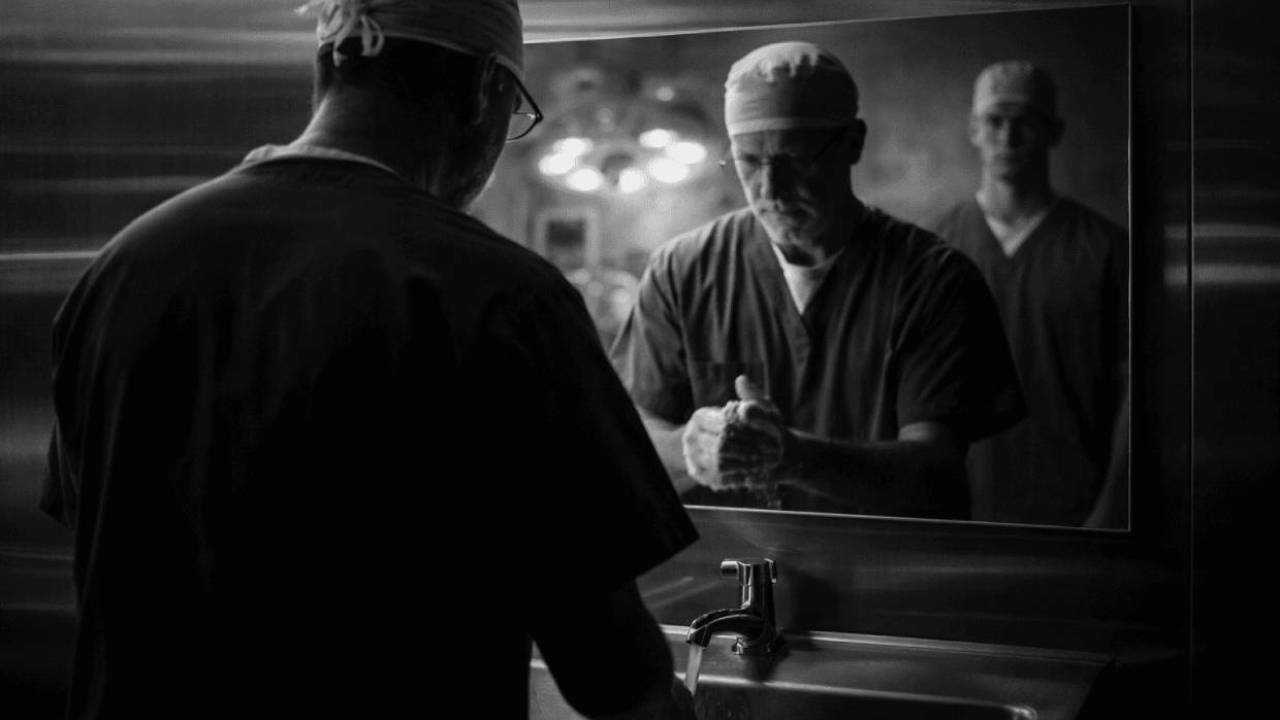
Every Surgeon Teaches – The Question Is What
- January 8, 2026
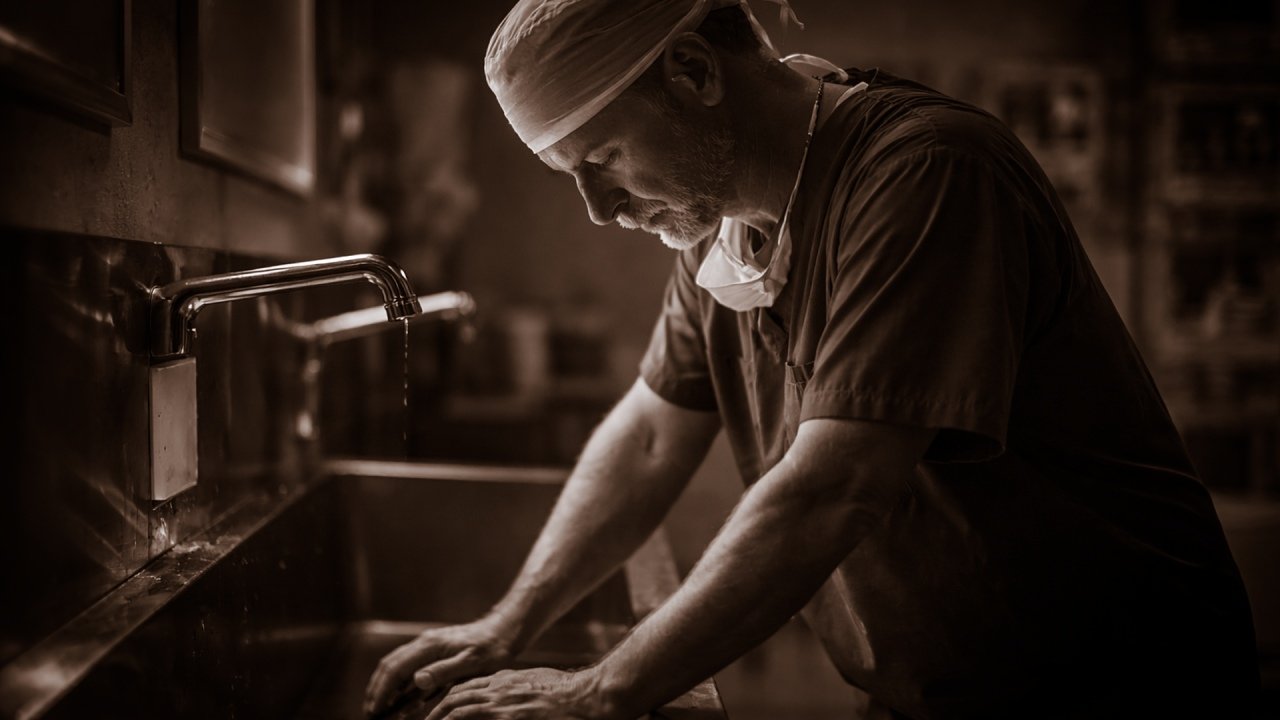
The Surgeon’s Inner Game: Mastery Begins Before the OR
- February 5, 2026
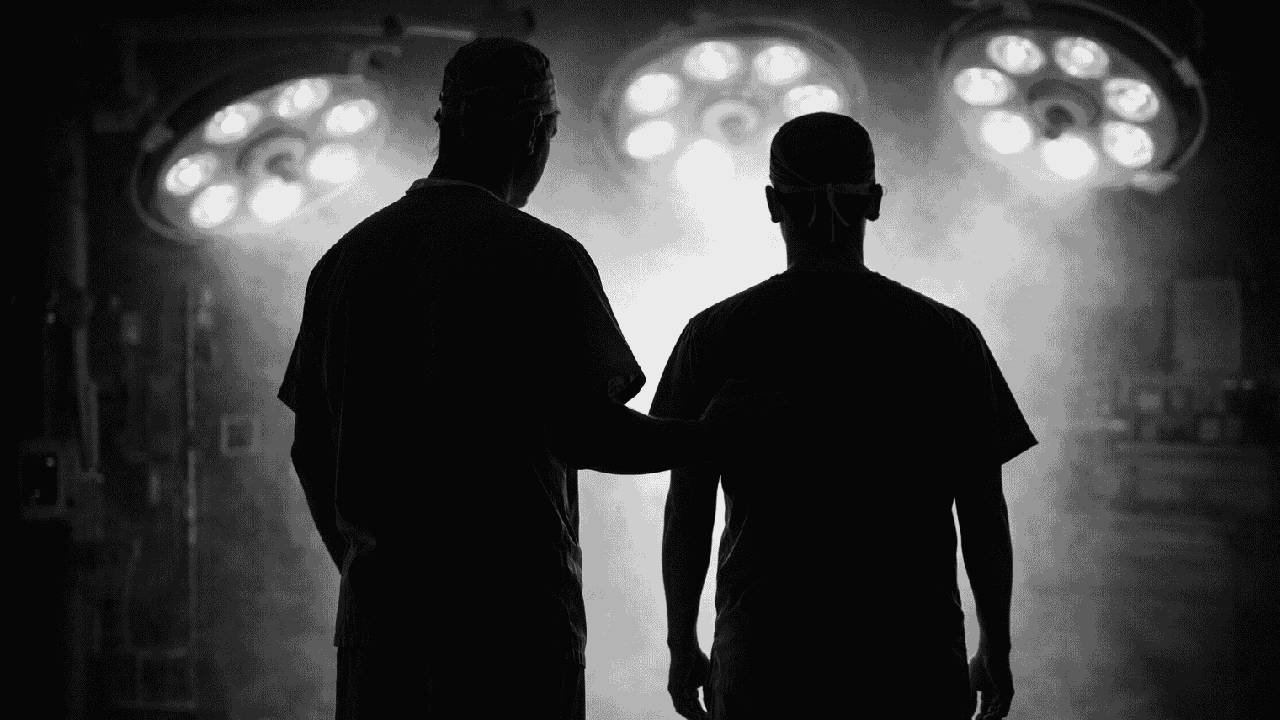
The New Era of Surgical Leadership: Moving Beyond Ego to Excellence
- December 28, 2025